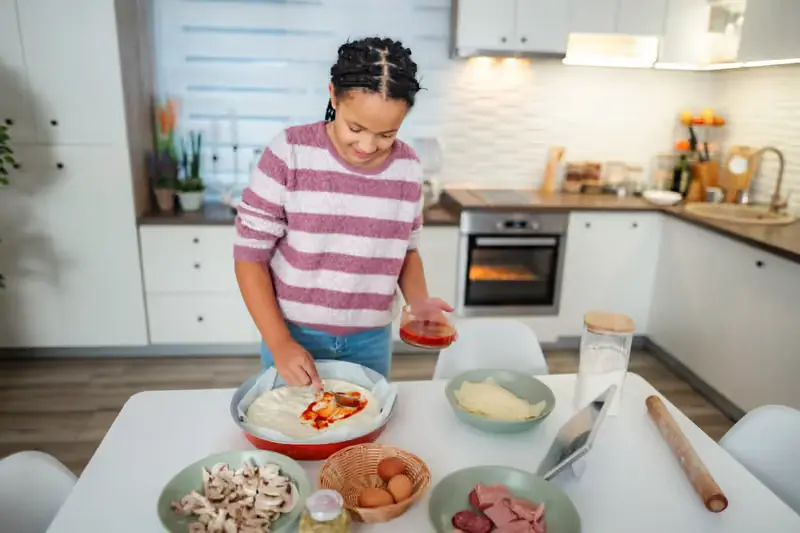
Preparing dinner does not have to take an entire evening. Busy schedules, family responsibilities, and unexpected commitments often leave little time for complicated meals. However, home cooking can remain enjoyable with the right ingredients and preparation methods. Quick easy dinner recipes provide practical solutions for people who want flavorful meals without spending hours in the kitchen. Pasta dishes, protein-based skillets, rice bowls, wraps, and vegetarian meals can all fit into a 30-minute cooking schedule. The key is to understand which ingredients cook quickly and how different preparation steps can work together. With a little organization, it becomes easier to prepare balanced dinners while reducing stress, food waste, and unnecessary spending.
Pasta Dinners That Come Together Before the Evening Gets Busy
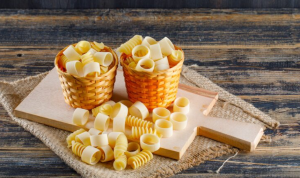
Pasta is one of the most flexible ingredients for fast evening meals. It is affordable, widely available, and easy to combine with vegetables, proteins, and different sauces. Many pasta dishes require only a few ingredients, making them suitable for evenings when there is little time to plan.
Garlic butter pasta is a simple option. Cook the pasta while gently heating butter, garlic, and a little olive oil in a separate pan. Add vegetables such as spinach, mushrooms, or zucchini. Combine everything with the cooked pasta and season with black pepper, herbs, and a little cheese. The result is a satisfying meal without complicated preparation.
Tomato pasta is another practical choice. Canned tomatoes, onions, garlic, and dried herbs create a simple sauce. Add chickpeas or cooked chicken to increase the protein content. For a creamier option, prepare chicken pasta with thinly sliced chicken, milk, and a modest amount of cheese.
Timing makes a significant difference. Start boiling the pasta water before preparing the sauce. Choose pasta shapes with shorter cooking times when necessary. Reserve a small amount of pasta water before draining. Its starch can help create a smoother sauce without requiring additional ingredients.
Fresh and Light Pasta Combinations
Pasta does not always need a heavy cream-based sauce. Lemon juice, olive oil, garlic, fresh herbs, and seasonal vegetables can create a lighter combination. These ingredients provide flavor without making preparation complicated.
A lemon and spinach pasta is a useful example. Cook the pasta, then combine it with sautéed garlic, spinach, lemon juice, and a little cheese. Chickpeas can make the dish more filling. Grilled chicken or tuna can also be added when a higher-protein meal is preferred.
Seasoning offers another way to create variety. Italian herbs, paprika, chili flakes, and black pepper can change the flavor of familiar ingredients. This helps prevent simple meals from becoming repetitive.
One-Skillet Pasta for Minimal Cleanup
One-skillet pasta is particularly useful when time and kitchen space are limited. Instead of boiling pasta separately, combine it with tomatoes, vegetables, seasoning, and an appropriate amount of liquid in a large pan. Allow the ingredients to cook together while stirring regularly.
The liquid gradually softens the pasta and forms a sauce. However, the amount must be controlled. Too much liquid can make the dish watery, while too little may cause sticking. Follow the pasta’s cooking requirements and adjust the liquid gradually.
Add quick-cooking vegetables near the end. This helps preserve their texture and prevents them from becoming overly soft. One-pan preparation also reduces washing, making the entire dinner routine more convenient.
Fast Protein-Based Meals for a More Filling Dinner
Protein-based meals can be prepared quickly when the ingredients are selected carefully. Thinly sliced chicken, shrimp, eggs, and tofu are useful options because they do not require lengthy cooking. Combining them with vegetables and a suitable carbohydrate creates a balanced dinner.
Chicken strips are particularly versatile. Slice boneless chicken into evenly sized pieces and cook them in a hot skillet with a little oil. Add onions, peppers, broccoli, or zucchini. Garlic, paprika, lemon juice, and black pepper provide flavor without requiring a complicated sauce. Serve the mixture with rice, bread, or a simple salad.
Shrimp is another convenient protein. It cooks quickly and works well with garlic, ginger, vegetables, and a light sauce. Avoid leaving it in the pan for too long because overcooking can make it tough.
Eggs provide an affordable alternative. A vegetable omelet with mushrooms, tomatoes, and spinach can become a complete dinner when served with toast or potatoes. Tofu is equally adaptable. It absorbs sauces and seasonings while providing a plant-based source of protein.
Quick Chicken and Vegetable Skillet
A chicken and vegetable skillet is useful when a filling dinner needs to be ready quickly. Cut chicken into thin, even strips so the pieces cook at a similar rate. Heat a little oil in a pan and cook the chicken until properly done.
Add sliced vegetables and seasonings. Bell peppers, onions, carrots, and zucchini work well because they can be prepared quickly. A simple sauce made with lemon juice, garlic, and a little yogurt can add moisture and flavor.
Avoid overcrowding the pan. Too many ingredients can lower the temperature and cause them to release moisture instead of browning. If necessary, cook the chicken and vegetables in separate batches before combining them.
Always check that chicken reaches a safe internal temperature of 74°C (165°F). A quick meal should never compromise food safety.
Meat-Free Protein Options
Plant-based ingredients can make quick dinners both affordable and satisfying. Canned beans, chickpeas, tofu, and eggs require relatively little preparation. They can be combined with vegetables, grains, and sauces to create several different meals.
For example, sautéed tofu with broccoli and peppers can be served with rice. Chickpeas can be added to tomato-based skillets or vegetable wraps. Black beans work well in tacos and quesadillas.
Canned legumes save time because they are already cooked. Drain and rinse them before adding them to a recipe. This removes excess packing liquid and allows their flavor to blend more easily with other ingredients.
Rice Bowls, Wraps, and Tacos for Flexible Weeknight Meals
Rice bowls, wraps, and tacos are excellent options when dinner needs to be flexible. They allow cooks to combine ingredients according to what is already available. This makes them useful for reducing food waste and avoiding unnecessary grocery purchases.
A rice bowl can include cooked rice, chicken, beans, eggs, or roasted vegetables. Add cucumber, tomatoes, herbs, and a yogurt-based dressing for freshness. A little lemon juice or chili sauce can provide additional flavor. If cooked rice is already available, the meal can come together particularly quickly.
Tacos offer another simple approach. Fill tortillas with seasoned beans or shredded chicken. Add lettuce, tomatoes, onions, and a small amount of cheese. Yogurt mixed with lemon juice and garlic can replace a heavier sauce.
Wraps are equally convenient. Spread hummus over a tortilla, add fresh vegetables, and include grilled chicken, tofu, or beans. Roll tightly and serve with a simple salad.
The main advantage of these meals is customization. Different toppings and sauces can create variety without changing the basic preparation method. This is especially useful for households where people have different tastes.
Vegetarian Dinners That Are Ready in Half an Hour
Vegetarian meals can be practical choices for busy evenings. Ingredients such as lentils, chickpeas, beans, rice, eggs, and frozen vegetables provide several options without requiring extensive preparation.
Chickpea curry is a useful example. Cook onions and garlic with curry spices, then add canned tomatoes and drained chickpeas. Simmer until the flavors combine and serve with rice or flatbread. Using canned chickpeas makes the process much faster than starting with dried legumes.
Vegetable fried rice is another convenient meal. Use previously cooked and properly refrigerated rice, then stir-fry it with mixed vegetables, garlic, and soy sauce. Add an egg or tofu for additional protein. The high heat helps create flavor while keeping the vegetables relatively crisp.
Red lentils are particularly useful because they soften faster than many other varieties. They can be cooked with tomatoes, onions, and spices to create a simple lentil dish. For an even quicker option, prepare bean quesadillas with tortillas, cooked beans, vegetables, and cheese.
Frozen vegetables can save considerable preparation time. They are already washed and cut, making them suitable for soups, stir-fries, and skillet meals. Choose combinations that complement the main ingredients rather than adding too many different flavors.
Cooking Techniques That Make the 30-Minute Limit Realistic
Preparing dinner within 30 minutes requires more than selecting a quick recipe. Cooking methods, ingredient size, equipment, and preparation order all influence the final timing.
Stir-frying is useful because small pieces of food cook quickly over high heat. Shallow pan cooking works well for thin chicken pieces, fish fillets, and vegetables. Microwave cooking can also help soften potatoes or heat prepared vegetables before they are finished in a skillet.
Pressure cookers can reduce cooking time for certain dishes, although reaching pressure and releasing it must be included in the overall schedule. For genuinely quick dinners, simple stovetop methods are often more predictable.
Preheating pans and preparing ingredients before cooking begins can prevent unnecessary delays. Read the recipe first, gather the required equipment, and measure the seasonings. When possible, use overlapping cooking stages. For example, boil pasta while preparing the sauce or cook rice while chopping vegetables.
Prepare Ingredients Before Turning on the Stove
Ingredient preparation is one of the most effective ways to improve cooking speed. Wash vegetables, remove unwanted parts, and cut them into suitable sizes before heating the pan. Measure sauces and seasonings so they are ready when needed.
This organized approach is often called mise en place. It prevents interruptions and reduces the risk of overcooking ingredients while searching for something in the kitchen.
Keep frequently used items such as cooking oil, salt, pepper, garlic, and common spices accessible. If dinner is prepared regularly, storing these ingredients together can make the process even easier.
Use Convenient Ingredients Without Losing Quality
Convenient ingredients can support quick cooking without making meals less enjoyable. Frozen vegetables, canned beans, prewashed greens, cooked grains, and ready-made sauces can reduce preparation time considerably.
However, convenience products should still be selected carefully. Check sauce labels for high sodium levels or added sugars. Choose canned beans with simple ingredients and rinse them before use. Frozen vegetables without added sauces or seasonings offer greater control over flavor.
Prepared ingredients are most useful when they support a balanced meal rather than replacing every fresh component. Combining frozen vegetables with fresh herbs, lemon juice, or homemade seasoning can create a meal that feels fresh and flavorful.
Common Timing Mistakes That Delay Quick Dinner Preparation
One common mistake is underestimating preparation time. A recipe may claim to take 20 minutes, but washing, peeling, chopping, and measuring ingredients can extend the process. Read the complete recipe before starting and check whether any ingredients need advance preparation.
Overcrowding a pan is another problem. It prevents proper browning and may increase cooking time. Cook ingredients in batches when necessary.
Different ingredients also have different cooking requirements. Adding delicate vegetables too early can make them soft, while thick pieces of protein may remain undercooked. Cut ingredients evenly and add them in the correct order.
Finally, avoid choosing recipes with several separate stages when time is limited. A straightforward skillet meal may be more suitable than a dish requiring multiple pans, sauces, and garnishes. Realistic planning makes quick cooking much easier.
Conclusion
Preparing dinner in 30 minutes is realistic when meals are planned around suitable ingredients and efficient cooking methods. Pasta, protein-based skillets, rice bowls, wraps, and vegetarian dishes provide plenty of variety for busy evenings. Preparing ingredients in advance and using convenient pantry staples can save valuable time. The best quick easy dinner recipes are practical, flexible, and enjoyable enough to become regular meals. With a small collection of reliable options, home cooking can remain manageable even on the busiest days.