
An extraordinary dining experience does not always require an expensive restaurant, rare ingredients, or elaborate decorations. Often, the difference comes from thoughtful preparation and attention to small details. A carefully planned menu, attractive food presentation, comfortable seating, and welcoming atmosphere can turn an ordinary meal into a memorable event. These essential dining details influence how guests feel before, during, and after the meal. They also help hosts create a smooth experience without spending unnecessarily or becoming overwhelmed by complicated arrangements. Whether planning a family celebration, a dinner party, or a romantic evening, understanding how different elements work together makes hosting more enjoyable. The goal is to create a setting where food, conversation, comfort, and personal attention complement one another.
Planning the Meal Around the Occasion and the Guests
Successful hosting begins with understanding the occasion. A casual weekend dinner has different requirements from a birthday celebration or formal gathering. The number of guests, available time, dining space, and expected atmosphere should guide the planning process.
Start by deciding what kind of experience you want to create. A relaxed gathering may benefit from shared dishes and flexible serving arrangements. A formal dinner may require individual courses, coordinated place settings, and a more structured schedule. Matching the menu and setting to the occasion prevents unnecessary work.
Guest preferences should also influence decisions. Consider dietary restrictions, food allergies, cultural expectations, and personal dislikes before choosing dishes. A menu that looks impressive but excludes several guests will not create a successful experience. Asking about important requirements in advance can prevent awkward situations later.
Preparation time deserves equal attention. Choose dishes that can be prepared in stages rather than recipes that demand constant attention. If several dishes require the oven at the same temperature, plan their cooking order carefully. A realistic schedule allows the host to spend time with guests instead of remaining in the kitchen throughout the event.
Designing a Menu With Balance and Variety
A well-designed menu offers variety without overwhelming the table. Begin with the main course and select supporting dishes that complement its flavor and texture. If the main dish is rich, lighter vegetables or a fresh salad can provide balance. If the main course is mild, a flavorful side or sauce may add interest.
Think about color, temperature, and texture as well. A menu containing several creamy or soft dishes may feel repetitive. Adding crisp vegetables, fresh herbs, or toasted ingredients creates contrast. Seasonal produce can also improve flavor and help control costs.
The number of courses should reflect the occasion. A simple starter, main course, and dessert are often enough. More courses can create a formal experience, but each one increases preparation and service demands. Quality and coordination matter more than quantity.
Preparing for Different Guest Needs
Dietary planning should be handled with care. Vegetarian, vegan, gluten-free, and allergy-conscious choices may be necessary depending on the guest list. These options should feel like genuine parts of the menu rather than afterthoughts.
Food allergies require particular attention. Confirm ingredients, check product labels, and prevent cross-contact through clean equipment and separate preparation areas when necessary. Do not assume that removing one ingredient makes a dish safe. If a guest has a serious allergy, communicate clearly about ingredients and preparation methods.
A flexible menu can make this process easier. Build meals around components that can be served separately. For example, offer a vegetable base with optional meat, sauces, and toppings. This gives guests more control without requiring several completely different meals.
Food Presentation That Makes Every Dish More Appealing
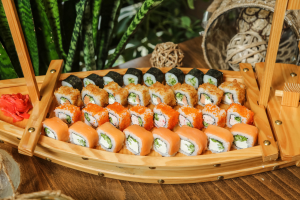
Food presentation shapes expectations before guests take their first bite. An attractive plate suggests care and makes even familiar dishes feel special. However, effective presentation does not require professional culinary skills. Simple choices involving color, portion size, arrangement, and garnishing can make a noticeable difference.
Begin with clean plates and appropriate portions. Avoid filling every available space. Leave enough room around the food so that each component remains visible. Arrange the main item as the focal point, then position vegetables, grains, and sauces in a balanced way.
Color contrast can make a dish more appealing. Green herbs, bright vegetables, citrus slices, and naturally colorful ingredients provide visual interest. Use garnishes that contribute flavor or texture rather than adding decorations that guests will simply remove.
Temperature is also part of presentation. A beautifully arranged dish can lose its appeal if it reaches the table cold. Coordinate final cooking and plating so that hot foods are served promptly. Cold dishes should remain chilled until they are needed.
Choosing the Right Plates and Serving Style
Plate size, shape, and color influence how food appears. Neutral plates often allow colorful ingredients to stand out, while darker surfaces can create contrast with lighter dishes. The choice should complement the food rather than compete with it.
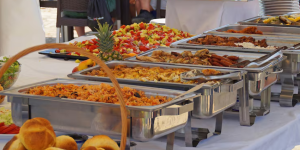
Serving style should match the occasion. Individual plating provides structure and can make formal dinners feel polished. Family-style service encourages sharing and creates a relaxed atmosphere. Buffet arrangements work well for larger gatherings because guests can choose portions and move through the meal at their own pace.
Consider practical details before selecting a serving method. Shared dishes need enough table space, suitable serving utensils, and clear access for everyone. Individual plates require more coordination in the kitchen. Choose the method that allows food to reach guests at the right temperature without creating unnecessary pressure.
Table Styling That Establishes the Mood
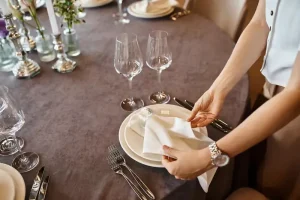
The dining table is often the visual center of a gathering. Its arrangement helps establish the atmosphere and prepares guests for the experience ahead. Tablecloths, napkins, cutlery, glassware, and centerpieces should work together without making the space feel crowded.
Start with a consistent color scheme. Two or three complementary colors are usually enough to create a coordinated appearance. Neutral linens can provide a simple foundation, while napkins or flowers introduce subtle accents. Matching every item exactly is unnecessary. A balanced combination often feels more natural.
Place settings should be arranged according to the type of meal. Provide the utensils and glasses guests are likely to need. Avoid placing unnecessary items on the table because they take up space and can make the arrangement confusing.
Comfort must remain central. Guests need enough room to move their arms, place serving dishes, and converse without obstruction. Chairs should be positioned at comfortable distances, and walkways should remain clear. A centerpiece should not block people’s view of one another.
The best table styling combines visual appeal with practical use. Decorations should support the meal rather than interfere with it.
Ambiance and Sensory Elements That Shape the Experience
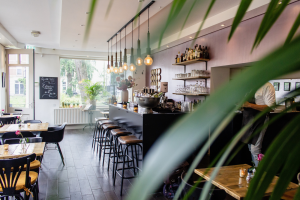
Ambiance involves more than furniture and decoration. Lighting, music, temperature, fragrance, and background noise influence how guests experience a meal. These elements work together to create an environment that feels relaxing, energetic, intimate, or celebratory.
Lighting should suit the occasion and allow guests to see their food comfortably. Soft, warm lighting can create a relaxed evening atmosphere. Brighter lighting may be more appropriate for daytime gatherings or meals that involve reading menus and serving dishes. Avoid lighting that is so dim that guests struggle to see.
Temperature also affects comfort. A room that feels too warm or cold can distract guests from the meal. Check ventilation before people arrive and consider how cooking appliances may change the room temperature.
Fragrance requires restraint. Strong candles, air fresheners, and scented decorations can interfere with food aromas. The smell of the meal should remain part of the experience. Fresh flowers or subtle natural elements are often better choices than overpowering scents.
Lighting and Music for a Welcoming Setting
Music can help establish the mood, but its volume should support conversation. Choose background music that matches the occasion without demanding attention. Instrumental tracks or familiar, relaxed playlists can work well for dinner gatherings.
Prepare the playlist before guests arrive. This avoids interruptions and reduces the need to manage music during the meal. Keep the volume low enough that people can speak naturally without raising their voices.
Lighting should be checked from the guests’ seating positions. A setup that looks attractive from across the room may create glare or shadows at the table. Use lamps or adjustable lighting where possible. Small changes can make the environment feel more comfortable without requiring expensive equipment.
Timing and Service Coordination From Arrival to Dessert
Good timing is one of the most important elements of successful hosting. Even a well-planned menu can become stressful when several dishes finish cooking at different times. Coordinating preparation, serving, and guest arrival helps maintain a smooth flow.
Create a simple schedule that works backward from the intended serving time. Identify dishes that can be prepared the day before, such as desserts, sauces, marinades, and certain side dishes. Complete washing, chopping, and measuring in advance whenever possible.
Organize cooking tasks according to equipment availability. If two dishes require the oven, plan their cooking temperatures and order. Use stovetop space for vegetables or sauces while larger dishes cook. Avoid preparing too many last-minute items that require constant attention.
Food safety should remain part of the schedule. Keep perishable ingredients refrigerated until needed, avoid leaving cooked food at room temperature for extended periods, and use appropriate methods to keep hot and cold dishes at safe temperatures. A food thermometer is useful when preparing meat, poultry, and other dishes that require accurate temperature checks.
Service should feel natural rather than rushed. Allow enough time between courses for guests to finish eating and enjoy conversation. At the same time, avoid unnecessary delays that make the event feel disorganized. A flexible schedule helps the host respond to the pace of the gathering.
Personal Touches That Make Guests Feel Appreciated
Personal attention often creates the strongest memories. Guests may forget the exact table decorations, but they are more likely to remember whether they felt comfortable and included. Thoughtful gestures can make a gathering feel meaningful without increasing the budget.
Simple ideas include handwritten place cards, a welcome drink, a short menu description, or a dessert connected to the occasion. Hosts can also consider guests’ preferences when choosing music, seating arrangements, and conversation topics.
Personalization should remain genuine. Not every gathering needs customized gifts or elaborate surprises. A warm greeting, remembering someone’s dietary preference, or offering a comfortable seat can be enough.
Conversation also plays an important role. Encourage interaction by introducing guests who may not know one another and choosing topics that include everyone. Avoid allowing discussions to become dominated by one person. If a guest prefers a quieter experience, respect that preference rather than forcing participation.
The host should also enjoy the event. Spending the entire evening managing every detail can make the gathering feel less personal. Preparing in advance and choosing manageable arrangements creates more opportunities to connect with guests.
Common Oversights That Can Weaken an Otherwise Beautiful Meal
Even attractive dining arrangements can be affected by small planning mistakes. One common problem is overcrowding the table with decorations, serving dishes, and unnecessary accessories. This reduces usable space and makes serving more difficult.
An overly complicated menu can create similar problems. Preparing several dishes that require last-minute attention increases the chance of delays. Choose recipes that can be completed in stages and avoid introducing too many unfamiliar techniques at once.
Ignoring guest requirements is another serious oversight. Dietary restrictions and allergies should be confirmed before the event, not after food has been served. Seating should also consider mobility needs and the comfort of older guests or children.
Poor timing can affect food quality. Hot dishes may cool while waiting for other components, and cold desserts may lose their texture if left out too early. Prepare a serving plan and use suitable storage methods.
Finally, always consider a backup arrangement. Extra ingredients, an alternative side dish, or a simple dessert can help when plans change. A flexible host can manage unexpected guests, delays, or equipment problems without allowing them to dominate the event.
Conclusion
An extraordinary meal is created through thoughtful choices rather than expensive additions. A balanced menu, appealing food presentation, comfortable table arrangement, suitable ambiance, and coordinated service all contribute to a positive experience. Personal touches make guests feel valued, while realistic preparation helps the host remain relaxed and involved. These essential dining details can transform an ordinary gathering into a memorable occasion without unnecessary complexity. By focusing on comfort, flavor, timing, and genuine hospitality, anyone can create a dining experience that guests will appreciate long after the meal ends.