A memorable dining experience involves much more than the food on the plate. The way guests are welcomed, the arrangement of the table, the atmosphere, and the quality of service all influence how people feel during a meal. Even small details can make a restaurant visit more comfortable or create unnecessary frustration. Understanding dining details table etiquette helps diners behave confidently while encouraging hospitality professionals to maintain thoughtful service standards. Good dining practices are not limited to formal restaurants. They also apply to family gatherings, business lunches, celebrations, and everyday meals at home. When etiquette, ambiance, and hospitality work together, they create an environment where guests can relax, enjoy their food, and connect with others.
Understanding the Foundations of Modern Table Etiquette
Table etiquette is a collection of practical manners that show consideration for other people. It helps everyone share a meal comfortably, regardless of the setting. Traditional dining rules can sometimes appear complicated, but their purpose is straightforward. They encourage cleanliness, respect, patience, and appropriate behavior.
Good manners begin before the first bite. Arriving on time, greeting other guests, and following the host’s seating arrangements help establish a positive atmosphere. Once seated, diners should avoid taking up unnecessary space or moving other people’s belongings without permission. These small actions demonstrate awareness of the people around the table.
Modern etiquette also requires flexibility. A formal business dinner may involve specific expectations, while a casual family restaurant usually has a relaxed approach. Guests should understand the environment rather than applying strict formal rules everywhere. Respectful behavior matters more than memorizing every traditional convention.
Essential Manners Before and During a Meal
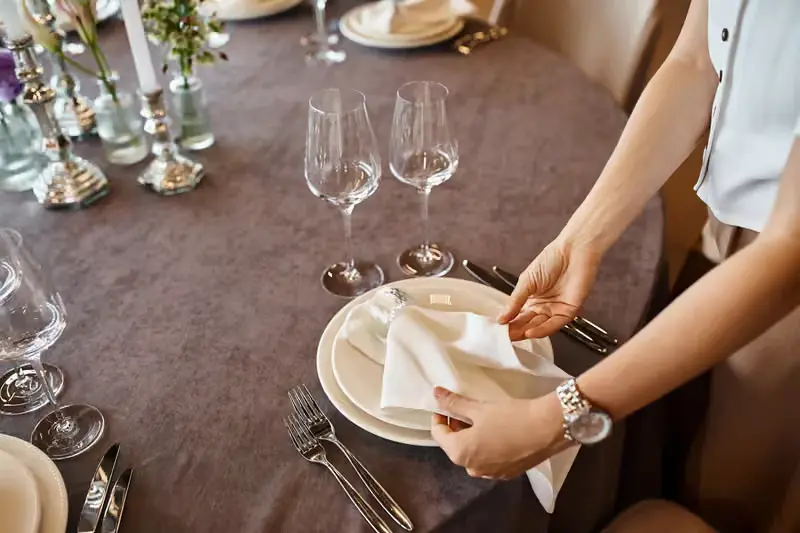
Napkin use is one of the basic elements of dining etiquette. In most formal and casual settings, guests place the napkin on their lap after sitting down. It should be used gently rather than treated as a substitute for a hand towel. When leaving the table temporarily, placing the napkin loosely beside the plate usually communicates that the diner intends to return. At the end of the meal, it can be placed neatly beside the plate.
Cutlery should be handled naturally. In a formal setting, guests may encounter several forks, knives, and spoons. A common approach is to begin with the utensils placed farthest from the plate and move inward with each course. However, observing the host or following the restaurant’s guidance is often enough when the arrangement is unfamiliar.
Conversation is equally important. Speaking with food in the mouth, interrupting others, or dominating the discussion can make a meal uncomfortable. Phones should remain away from the table whenever possible. If an urgent call is necessary, politely excuse yourself instead of disrupting the entire group.
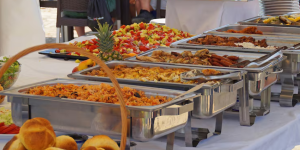
Shared dishes require additional consideration. Use the serving utensils provided rather than personal cutlery. Take a reasonable portion and leave enough for others. These habits make communal meals more organized and welcoming.
Navigating Formal Dining Settings
Formal dining settings often include several courses and carefully arranged place settings. Understanding a few basic principles can help guests feel more confident. Water glasses and wine glasses are usually positioned above the knives, while bread plates are commonly placed to the left of the main plate. Exact arrangements may vary between restaurants and dining traditions.
Guests should avoid reaching across others to collect dishes or utensils. Politely ask someone nearby to pass an item when necessary. During multiple-course meals, wait until the host or appropriate service signal before beginning, particularly at formal events.
If an unfamiliar utensil appears, there is no need to become anxious. Observe how others use it or wait for the relevant course. Good etiquette is about being considerate, not displaying technical knowledge.
Creating a Comfortable Dining Atmosphere Through Design
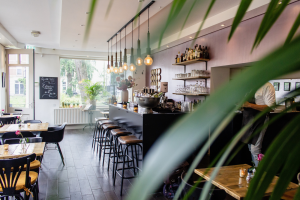
Restaurant ambiance affects how guests experience food, service, and social interaction. Interior design, lighting, sound, furniture, and table arrangements all contribute to the overall environment. A restaurant may serve excellent food, but uncomfortable seating or excessive noise can weaken the experience.
An effective dining atmosphere should reflect the restaurant’s identity. A family restaurant may prioritize bright lighting, practical seating, and an informal layout. A fine dining establishment may use softer lighting, carefully selected materials, and greater spacing between tables. Neither approach is automatically better. The right design depends on the intended audience and type of service.
Comfort should remain a priority. Decorative elements should not interfere with movement, visibility, or conversation. Tables need enough space for plates, glasses, and serving dishes. Seating should support guests throughout the expected duration of their meal.
Restaurants should also consider accessibility. Clear walkways, suitable table heights, and comfortable seating arrangements make dining easier for people with different mobility needs. These details demonstrate that thoughtful design considers every guest, not only visual appearance.
Lighting, Music, and Noise Management
Lighting helps establish the mood of a dining space. Warm lighting can create a relaxed atmosphere, while brighter lighting may suit casual restaurants, cafés, and daytime dining areas. However, lighting should always allow guests to read menus and see their food comfortably.
Music should support the environment rather than compete with conversation. A carefully selected playlist can strengthen a restaurant’s identity, but excessive volume may cause frustration. Managers should evaluate sound levels during busy periods because background noise often increases as more guests arrive.
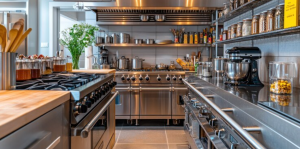
Noise management also depends on the physical layout. Soft furnishings, curtains, acoustic panels, and suitable ceiling materials can reduce sound reflections. Restaurants with open kitchens may need additional planning to prevent equipment noise from dominating the dining area.
The goal is not complete silence. A lively restaurant can feel energetic and welcoming. The challenge is maintaining a comfortable balance between activity and conversation.
Table Layout and Visual Presentation
A well-arranged table combines appearance with functionality. Clean surfaces, polished cutlery, appropriate glassware, and neatly arranged napkins create a positive first impression. The table should also have enough room for guests to eat without feeling crowded.
Spacing between tables is another important consideration. Guests should be able to move their chairs and communicate privately without constantly interfering with nearby diners. Staff also need clear paths for carrying food, removing dishes, and responding to requests.
Table decorations should remain practical. Large centerpieces may look attractive but can block sightlines. Candles, flowers, and decorative accessories should complement the setting without occupying valuable dining space.
Consistency matters as well. Restaurants should maintain similar presentation standards across tables, even during busy service periods. A clean and organized setting communicates attention to detail before the food arrives.
Hospitality Standards That Turn Service Into a Memorable Experience
Hospitality is the human element of dining. It includes how staff welcome guests, explain menu choices, respond to requests, and resolve problems. Professional service should feel attentive without becoming intrusive.
The first interaction can shape a guest’s expectations. A friendly greeting, clear communication, and an organized seating process help people feel comfortable. Staff should understand the menu well enough to explain ingredients, portion sizes, preparation methods, and common dietary considerations.
Consistency is essential. Guests should receive a similar level of care during quiet afternoons and busy evening services. This requires clear procedures, effective teamwork, and proper staff training. When employees understand their responsibilities, service becomes more reliable.
Hospitality also involves recognizing different guest needs. Some customers appreciate detailed recommendations, while others prefer minimal interaction. Staff should pay attention to signals and adjust their approach accordingly. Good service respects personal space while remaining available when help is needed.
Communication and Personalized Guest Care
Clear communication prevents misunderstandings. Servers should listen carefully when taking orders and repeat important details when necessary. This is particularly useful for complicated orders, allergies, and dietary restrictions.
Restaurants should have reliable procedures for communicating food allergies to kitchen staff. Employees must avoid making promises about ingredients or cross-contact risks unless they have verified the information. Accurate communication is more important than giving a quick but uncertain answer.
Personalized service does not always require expensive gestures. Remembering a reasonable preference, offering a suitable seating option, or explaining a menu item patiently can improve the experience. However, personalization should never feel forced or overly familiar.
Complaints also require thoughtful handling. Staff should listen without becoming defensive, acknowledge the concern, and explain the available solution. If a problem requires management involvement, it should be escalated promptly. A calm response can sometimes restore confidence even when the original experience was disappointing.
Dining Etiquette Across Different Cultures and Occasions
Dining customs vary across countries, communities, and social settings. In some cultures, meals are served individually, while others emphasize shared dishes. Certain traditions encourage eating with the right hand, while others place greater importance on particular utensils and serving arrangements.
Guests should avoid assuming that their usual dining habits apply everywhere. Observing the host, following local customs, and asking polite questions can prevent uncomfortable situations. Respect is more important than judging unfamiliar practices.
The occasion also influences expectations. Business meals often require punctuality, professional conversation, and careful attention to the host’s schedule. Family gatherings may be more relaxed and focused on sharing food. Weddings and formal celebrations can involve seating plans, multiple courses, and specific service arrangements.
At business dinners, guests should avoid discussing sensitive subjects unless the conversation naturally moves in that direction. They should also be mindful of alcohol policies, professional boundaries, and the purpose of the meeting. At family gatherings, helping serve food and including quieter guests can contribute to a welcoming environment.
Understanding context allows people to adapt without losing their natural personality. Good etiquette is not about following identical rules everywhere. It is about respecting the people, traditions, and expectations connected to each occasion.
Common Dining Mistakes That Affect the Guest Experience
Some dining mistakes appear minor but can affect the comfort of everyone at the table. Speaking loudly, using a phone throughout the meal, interrupting conversations, and reaching across other diners can create unnecessary disruption. Ignoring shared serving manners may also make group meals uncomfortable.
Poor restaurant maintenance creates a different set of problems. Sticky tables, unclean glassware, uncomfortable chairs, and poorly arranged place settings can reduce confidence in the establishment. Even attractive décor cannot compensate for inadequate cleanliness.
Inconsistent communication is another common issue. Guests may become frustrated when menu information is unclear, requests are forgotten, or staff members provide conflicting answers. Restaurants can reduce these problems through staff training, accurate menu information, and clear communication between front-of-house and kitchen teams.
Timing also matters. Guests should avoid rushing servers with unreasonable demands, while restaurants should prevent unnecessary delays through organized workflows. Both sides contribute to a smoother experience when expectations are realistic and communication remains respectful.
Practical Ways to Improve Dining Standards at Home and in Restaurants
Better dining habits develop through regular practice. At home, families can encourage polite conversation, appropriate table arrangements, and shared responsibility for serving and clearing dishes. Children can learn basic manners by observing adults and participating in everyday meals.
Restaurant managers can improve standards by reviewing the complete guest journey. This includes reservations, arrival, seating, ordering, food delivery, payment, and departure. Each stage should have clear expectations. Managers can also observe service during peak periods to identify problems that may not appear during quieter hours.
Staff training should cover communication, menu knowledge, cleanliness, food safety, accessibility, and complaint handling. Short practical training sessions can be more effective than relying only on written instructions. Employees should understand not just what to do, but why each standard matters.
Customer feedback can reveal issues that management may overlook. Restaurants should look for recurring patterns rather than reacting to every comment in isolation. Repeated complaints about noise, slow service, or uncomfortable seating may indicate a larger operational problem.
Regular inspections are also valuable. Managers can assess table cleanliness, lighting, furniture condition, sound levels, and service consistency. Small adjustments often produce meaningful improvements without requiring a complete redesign.
Conclusion
Excellent dining experiences are created through a combination of considerate manners, comfortable surroundings, and reliable hospitality. Table etiquette helps guests interact respectfully, while thoughtful ambiance makes meals more enjoyable. Professional service connects these elements and ensures that guests feel valued. Whether dining at home, attending a formal event, or managing a restaurant, attention to small details can make a lasting difference. By applying practical etiquette, maintaining welcoming environments, and improving service standards, diners and hospitality professionals can create experiences that feel comfortable, respectful, and memorable.