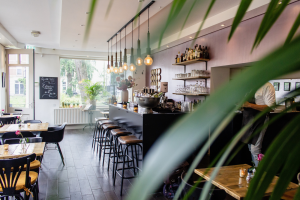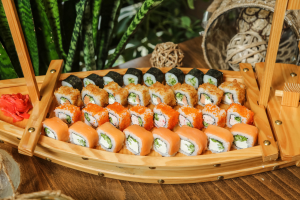

Eating at a restaurant should be an enjoyable experience, not a source of stress about food choices. However, managing nutrition outside the home can sometimes be challenging. Restaurant meals may contain larger portions, rich sauces, added salt, and ingredients that are difficult to identify. Menus also vary widely in their nutritional quality. A dish that sounds healthy may contain more added fats or sodium than expected. This does not mean people need to avoid restaurants or give up their favorite meals. A more practical approach involves understanding menu options, recognizing balanced combinations, and making adjustments that suit individual needs. Effective healthy dining out tips nutrition strategies help diners enjoy different cuisines while maintaining habits that support long-term well-being. The goal is not perfection at every meal. It is making informed decisions without losing the pleasure of eating socially.
Reviewing Restaurant Menus Before Making a Choice
Looking at a restaurant menu before arriving can make dining decisions easier. It gives diners time to compare dishes without feeling rushed by other people or a busy environment. Many restaurants publish their menus online. Some also provide ingredient lists, allergen details, or nutritional information. Reviewing these details can help identify meals that include vegetables, protein sources, and fiber-rich ingredients.
Planning ahead is particularly useful when visiting unfamiliar restaurants. Diners can look for dishes prepared with fresh ingredients and cooking methods that require less added fat. Grilled fish, roasted vegetables, bean-based dishes, and whole-grain options may provide a balanced starting point. However, the complete ingredient combination matters more than a single label.
It is also important to consider personal needs. Someone who has a physically demanding day may need a more substantial meal than someone looking for a light lunch. People managing specific dietary requirements should check ingredient and preparation details before ordering. Planning should provide direction rather than create strict rules.
Recognizing Nutritional Clues in Menu Descriptions
Menu descriptions often reveal useful information about how food is prepared. Words such as grilled, steamed, roasted, and baked generally describe methods that may require less added fat than deep-frying. Terms such as creamy, crispy, battered, and loaded can indicate richer preparation or additional toppings.
These descriptions are clues, not guarantees. A grilled dish can still contain a large amount of butter or sauce. A vegetarian meal can also be high in sodium or refined carbohydrates. Diners should consider the ingredients, cooking method, sides, and portion size together.
Comparing Similar Dishes
Small changes can improve the overall balance of a restaurant meal. For example, choosing grilled chicken instead of fried chicken may reduce added fat. Replacing fries with vegetables or selecting a side salad can add fiber and variety. Asking for dressing separately also gives diners more control over how much they use.
These adjustments do not need to change the entire meal. Often, one or two thoughtful substitutions are enough to make a meaningful difference.
Creating Balanced Meals Across Different Restaurant Types
A balanced meal generally includes a combination of protein, vegetables or fruit, fiber-rich carbohydrates, and appropriate sources of fat. Protein supports muscle maintenance and helps people feel satisfied. Vegetables and fruits provide vitamins, minerals, and fiber. Whole grains, beans, and other carbohydrate sources provide energy and additional nutrients.
The proportions do not need to be exact. A useful approach is to look for variety rather than trying to calculate every ingredient. For example, a restaurant meal containing grilled fish, vegetables, and brown rice offers several important food groups. A bean-based dish with vegetables and whole-grain bread can also provide a satisfying combination.
Different restaurant types require different decisions. At a café, diners might choose eggs with whole-grain toast and vegetables. At a casual restaurant, a grilled protein with a vegetable side may work well. At an international restaurant, bean dishes, vegetable curries, rice-based meals, or grilled kebabs can offer balanced options depending on preparation and serving size.
Buffets require a slightly different strategy because the variety of available food can encourage unnecessary portions. Walking through the options before filling a plate helps diners identify what they actually want. Combining vegetables, protein, and preferred side dishes can create a more satisfying meal than choosing several similar items.
The key is flexibility. A balanced meal does not have to look identical every time. Different cuisines can support good nutrition when diners consider ingredients, preparation, and overall variety.
Understanding Portion Sizes and Avoiding Unnecessary Overeating
Restaurant servings are sometimes larger than the portions people usually eat at home. Large plates can also make substantial amounts of food appear normal. This can encourage diners to continue eating even after they feel comfortably satisfied.
Portion awareness begins with recognizing personal hunger and fullness. Eating slowly gives the body more time to respond to food. It also allows diners to notice flavors and enjoy the experience instead of focusing only on finishing the plate.
There are several practical ways to manage larger servings. Sharing a dish with another person can be useful when portions are particularly generous. Diners can also request a smaller serving where available or ask for a takeaway container to save part of the meal. This is especially helpful when ordering dishes that are difficult to divide.
However, portion control should not become an exercise in restriction. Appetite changes with activity, sleep, health, and individual energy needs. A larger meal may be appropriate after a demanding day. The objective is to respond to hunger rather than follow an arbitrary portion limit.
It is also useful to distinguish between satisfaction and fullness. A meal should provide enough food to meet personal needs without creating discomfort. Paying attention to these signals can support a healthier relationship with restaurant dining.
Making Smarter Decisions About Drinks and Extras
Beverages and additional items can influence the overall nutritional content of a restaurant meal. Sugary soft drinks, sweetened coffees, milkshakes, and large specialty beverages may add considerable sugar and energy. They can also contribute little to the meal’s fiber or protein content.
Water is a simple choice that works with almost any type of food. Unsweetened tea, sparkling water, and other unsweetened drinks can provide variety. People who enjoy sweet beverages do not need to avoid them completely. They can consider smaller servings or choose them occasionally based on preference.
Appetizers, sauces, dressings, and toppings deserve similar attention. Ordering several extras automatically can make a meal much heavier than intended. Diners should consider whether an additional item adds something they genuinely enjoy or need.
For example, a vegetable-based starter may add variety and fiber. A creamy appetizer may be better suited to sharing. The best choice depends on the main dish, appetite, and personal preferences.
Evaluating Sauces, Dressings, and Cooking Additions
Sauces can significantly change the nutritional profile of a meal. Cream, butter, cheese, and oil-based dressings may add substantial amounts of fat. Prepared sauces can also contain considerable sodium or added sugar.
Requesting sauces and dressings on the side is a practical way to manage portions. Diners can add enough to enjoy the flavor without automatically using the entire serving. They can also ask whether a dish can be prepared with less butter or without a particular topping.
It is important to remember that restaurant staff may not be able to make every adjustment. Some sauces are prepared in advance, while certain dishes depend on specific ingredients. Asking politely and choosing an alternative when necessary can make the experience easier.
Enjoying Desserts Without Overcomplicating Choices
Dessert can be part of an enjoyable restaurant experience. People do not need to avoid sweet foods to maintain balanced eating habits. Instead, they can make choices based on appetite and preference.
Sharing a dessert can provide variety without requiring a full serving. Smaller portions may also be available. Some diners may prefer fruit-based options, while others may choose a favorite cake or pastry.
The important point is to avoid treating dessert as a failure. One meal does not determine overall nutritional health. Consistent habits across days and weeks matter much more than a single food choice.
Communicating Dietary Preferences and Special Requirements
Clear communication is essential when diners have food allergies, intolerances, or specific dietary requirements. Restaurant menus do not always explain every ingredient or preparation method. Asking staff for clarification can help prevent misunderstandings.
People with food allergies should communicate the exact allergen and ask about ingredients, cooking surfaces, utensils, and preparation procedures. Cross-contact can occur when foods share equipment or preparation areas. This is particularly important for people with severe allergies, who should not rely on general menu descriptions alone.
Diners with other dietary preferences can also ask practical questions. Someone avoiding certain ingredients may want to know whether a dish contains dairy, meat stock, eggs, or specific sauces. People following medically recommended eating patterns may need information about sodium, carbohydrates, or other nutritional factors.
Specific questions usually produce more useful answers than broad requests. Instead of simply asking whether a meal is healthy, diners can ask how it is cooked or whether a particular ingredient can be removed.
Restaurants may have limitations, especially during busy periods. If staff cannot confirm that a dish meets an important safety requirement, choosing another option is the more sensible approach.
Applying Nutrition Awareness to Different Dining Situations
Restaurant choices often depend on the occasion. A business lunch, family celebration, weekend meal, or travel stop may involve different menus and expectations. Trying to follow the same detailed routine in every situation can make dining unnecessarily complicated.
For business meals, reviewing the menu beforehand can reduce decision-making pressure. Choosing a meal that is satisfying but comfortable to eat may also help when the event includes conversation or a long meeting.
Family celebrations often involve shared dishes and a wider variety of foods. Diners can enjoy the occasion by selecting foods they genuinely like and balancing richer options with vegetables or other lighter dishes. There is no need to avoid traditional favorites simply because they are prepared differently from everyday meals.
Travel creates additional challenges. Meal schedules may change, familiar foods may be unavailable, and restaurant choices may be limited. Carrying suitable snacks can help manage long gaps between meals. When eating out, diners can focus on available ingredients and make the best practical choice rather than searching for an ideal meal.
Social dining also involves emotional and cultural factors. Food is often connected to celebration, hospitality, and shared experiences. Nutrition awareness should support these experiences rather than make people feel uncomfortable or excluded.
Avoiding Common Mistakes That Undermine Healthy Restaurant Choices
One common mistake is skipping meals before dining out. Some people believe eating less earlier will compensate for a larger restaurant meal. However, arriving extremely hungry can make it harder to recognize fullness and choose food calmly. Eating regular meals and snacks according to personal needs is generally a more sustainable approach.
Another mistake is assuming that certain menu labels guarantee nutritional quality. Salads may contain fried toppings, creamy dressings, and large amounts of cheese. Vegetarian dishes may rely heavily on refined grains or rich sauces. Foods described as natural or homemade are not automatically balanced either.
Focusing only on calories can also create an incomplete picture. Calories provide information about energy, but they do not describe the full nutritional value of a meal. Protein, fiber, vitamins, minerals, sodium, and the overall ingredient combination also matter.
Finally, some diners become overly critical of themselves after choosing a rich meal. This can create an unhealthy cycle of restriction and overeating. A better approach is to enjoy the meal and return to normal eating habits afterward. Consistency is more valuable than trying to compensate for every indulgence.
Building Sustainable Dining Habits for Long-Term Well-Being
Healthy restaurant dining becomes easier when decisions are practical and repeatable. Instead of memorizing a long list of restrictions, diners can develop a few habits that work across different situations. Reviewing menus, checking preparation methods, including varied food groups, and paying attention to appetite are useful starting points.
Personal preferences should remain part of the process. Someone who enjoys rice-based meals does not need to replace them with salads at every restaurant. They can choose suitable portions and combine rice with vegetables and protein. Similarly, people who enjoy traditional or regional dishes can consider preparation methods and ingredient balance without abandoning familiar foods.
It can also help to reflect on restaurant experiences. Diners may notice that certain meals provide better satisfaction, while others leave them feeling uncomfortable. These observations can guide future decisions without requiring strict tracking.
Over time, flexible habits reduce the pressure associated with eating outside the home. They also make it easier to enjoy different cuisines, social occasions, and spontaneous restaurant visits.
Conclusion
Managing nutrition while dining out does not require avoiding favorite dishes or following complicated food rules. It involves making informed choices that suit individual needs and the situation. Reviewing menus, choosing balanced combinations, understanding portion sizes, and paying attention to drinks and extras can all support better decisions. Clear communication is especially important when allergies or specific dietary requirements are involved. Most importantly, flexibility helps make these habits sustainable. By applying practical healthy dining out tips nutrition strategies, diners can enjoy restaurant meals, participate in social experiences, and maintain a balanced approach to eating over the long term.