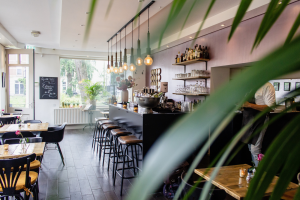

Eating at restaurants can be enjoyable, convenient, and an important part of social life. However, restaurant meals sometimes contain larger portions, rich sauces, added sugars, and more sodium than expected. These factors can make it difficult to maintain balanced eating habits, especially for people who dine out regularly. Following healthy dining out tips does not mean avoiding favorite foods or choosing plain salads every time. It means understanding menu options, recognizing portion sizes, and making decisions that support personal nutrition goals. A balanced approach allows diners to enjoy different cuisines without feeling restricted. With a little preparation and awareness, restaurant meals can fit comfortably into an overall healthy lifestyle.
Reading Restaurant Menus With a Nutritional Perspective
Restaurant menus provide useful information about ingredients and preparation methods, but descriptions can sometimes hide important nutritional details. Words such as fried, crispy, creamy, glazed, and loaded often indicate additional fats, sugars, or sauces. Terms such as grilled, steamed, baked, and roasted may suggest lighter preparation, although the actual ingredients and cooking methods still matter.
Start by reading the complete description rather than focusing only on the dish name. A grilled chicken meal may appear balanced, but a large amount of creamy dressing, buttered vegetables, and a rich side dish can significantly change its nutritional profile. Similarly, a vegetable-based dish is not automatically low in calories or sodium. Cheese, fried toppings, and heavy sauces can add substantial amounts.
Look for meals that include a clear protein source, vegetables, and a satisfying carbohydrate. A combination of grilled fish, vegetables, and potatoes may offer a balanced option. A bean-based bowl with brown rice and fresh vegetables can provide fiber and plant protein.
If nutritional information is available, use it as a guide rather than treating it as the only measure of meal quality. Calories are useful for understanding energy content, but sodium, fiber, protein, and portion size also matter.
Identifying Ingredients That Change a Meal’s Nutritional Value
Some ingredients can change the nutritional value of a restaurant meal without being immediately noticeable. Butter, cooking oils, cheese, mayonnaise, creamy dressings, and sugary sauces can increase its overall energy content. These ingredients are not necessarily unhealthy, but their quantities influence the final meal.
Ask for sauces and dressings separately when possible. This gives you more control over how much you use. You can also request lighter preparation, such as less butter or no additional sauce, if the restaurant can accommodate it.
Pay attention to toppings and extras. Fried onions, bacon, cheese, and crispy coatings may add flavor but can also increase sodium and saturated fat. Consider whether each addition improves the meal enough to justify including it.
Comparing Cooking Methods Before Ordering
Cooking methods influence texture, flavor, and nutritional content. Grilling, steaming, baking, and roasting often require less added fat than deep-frying. However, preparation details still matter. Grilled food can contain considerable oil or sugary glaze, while a baked dish may include rich cheese or cream.
Ask restaurant staff how a dish is prepared if the description is unclear. A simple question about added butter, oil, or sauces can help you make a more informed decision.
Avoid assuming that one cooking method always guarantees a healthier meal. Consider the complete dish, including its sides, toppings, and serving size. The most useful choice is usually the one that provides a satisfying combination of ingredients without unnecessary additions.
Managing Restaurant Portions Without Missing Out
Restaurant portions can be larger than what many people normally serve at home. Large servings may encourage diners to continue eating even after they feel satisfied. Managing portions does not require strict measurement or leaving a meal hungry. It involves paying attention to serving size and personal appetite.
One practical option is to order a smaller portion when available. Some restaurants offer half servings, lunch portions, or smaller plates. These choices can provide enough food without creating unnecessary leftovers.
Sharing an entrée is another useful strategy, especially when restaurant servings are particularly large. Two people can divide a main dish and add a vegetable side or salad. This approach also allows diners to enjoy a restaurant specialty without automatically consuming the entire serving.
Takeaway containers can help when sharing is not suitable. Consider setting aside part of the meal before eating if the portion is much larger than needed. This creates a convenient second meal and reduces food waste.
Avoid treating the plate as a target that must be emptied. Hunger and fullness vary according to activity, sleep, meal timing, and individual needs. Eating at a comfortable pace makes it easier to recognize when enough food has been consumed.
Building a Balanced Restaurant Plate
A balanced restaurant meal should provide a combination of nutrients that support energy, fullness, and general wellbeing. Protein, vegetables, fiber-rich carbohydrates, and appropriate sources of fat can work together to create a satisfying plate.
Protein supports muscle maintenance and several essential body functions. Suitable restaurant options include chicken, fish, eggs, beans, lentils, tofu, and other legumes. Vegetables contribute fiber, vitamins, minerals, and variety. Whole grains, potatoes, and other carbohydrate sources provide energy.
A useful approach is to examine the overall composition of the meal. If the main dish contains plenty of protein but very few vegetables, consider adding a vegetable side. If the meal is mostly salad, adding beans, eggs, chicken, or another protein source may make it more satisfying.
Do not focus on achieving perfect proportions at every restaurant visit. Different cuisines naturally use different combinations of ingredients. A rice-based meal, a vegetable curry, or a sandwich can all fit into balanced eating habits when considered as part of the broader diet.
Choosing Satisfying Protein and Fiber Sources
Protein and fiber can help meals feel more satisfying. When choosing restaurant dishes, look for ingredients that provide both. Lentils, chickpeas, beans, and vegetables are useful examples because they contribute fiber alongside other nutrients.
Grilled fish, chicken, eggs, and tofu provide additional protein choices. A meal containing beans, vegetables, and whole grains can also offer a substantial combination of plant-based nutrients.
Fiber-rich foods may support digestive health and help maintain fullness after eating. However, individual tolerance varies. People who are not accustomed to high-fiber meals may prefer to increase their intake gradually.
Consider practical combinations rather than isolated ingredients. A chicken and vegetable bowl, lentil soup with whole-grain bread, or tofu stir-fry with vegetables can provide a satisfying meal without complicated ordering decisions.
Making Smarter Decisions About Drinks, Starters, and Desserts
Beverages, appetizers, and desserts are part of the overall dining experience. They can also contribute significant amounts of added sugar, sodium, and energy. Paying attention to these choices helps diners make balanced decisions without giving up enjoyable extras.
Water is a simple beverage option. Sparkling water, unsweetened tea, and other drinks without added sugar can provide variety. Sweetened coffees, specialty drinks, soft drinks, and some fruit beverages may contain substantial amounts of sugar. Check serving sizes because restaurant drinks can be larger than expected.
Starters can contribute useful nutrients when selected thoughtfully. Vegetable soups, fresh salads, bean-based dishes, and grilled appetizers may offer a lighter beginning. However, creamy soups, fried snacks, and heavily dressed salads can be rich in calories and sodium.
Dessert does not need to be avoided. Sharing a dessert, choosing a smaller serving, or selecting fresh fruit can provide flexibility. If a particular dessert is an important part of the occasion, enjoy it without treating the choice as a failure. Overall eating habits matter more than one meal.
Mindful Eating Practices That Improve the Dining Experience
Mindful eating involves paying attention to food, hunger, fullness, and the overall experience of a meal. It encourages diners to notice what they are eating rather than consuming food automatically.
Restaurant environments can make this challenging. Large portions, social pressure, distractions, and unlimited meal options may encourage people to eat beyond their comfort level. Slowing down can help reduce these habits.
Begin by taking time to notice the appearance, aroma, and flavor of the food. Chew comfortably and pause between bites. Conversation can create natural breaks, allowing the body time to register fullness.
Avoid eating directly from shared serving dishes without considering how much you have already consumed. Serving a comfortable portion onto your plate can make it easier to remain aware of your intake.
Mindful eating should not become another source of pressure. There is no need to count every bite or monitor every ingredient. The purpose is to develop a more comfortable relationship with food and recognize personal needs.
Handling Dietary Preferences and Restaurant Challenges
Dining out can become more complicated when people have specific dietary requirements. Vegetarian, vegan, gluten-free, low-sodium, and allergy-conscious choices may not always be clearly identified on menus.
Communicate important requirements before ordering. Ask about ingredients, sauces, cooking oils, and preparation methods. If you have a food allergy, explain it clearly and ask whether the kitchen can safely accommodate it.
Menu labels should not be treated as guarantees. A dish described as gluten-free, for example, may still involve cross-contact during preparation. People with serious allergies or medical dietary requirements should confirm the restaurant’s procedures rather than relying on assumptions.
Substitutions can make meals more suitable. Ask whether fries can be replaced with vegetables, whether a sauce can be served separately, or whether a dish can be prepared without a particular ingredient. Keep requests reasonable and understand that not every restaurant can accommodate every change.
Restaurants with limited options require flexibility. If the menu does not offer an ideal combination, choose the most suitable available meal and focus on enjoying the occasion. One imperfect meal does not determine overall health.
Planning Restaurant Visits Without Overthinking Food Choices
A little preparation can make restaurant dining easier. Reviewing the menu before arriving gives you time to compare options without feeling rushed. This is particularly helpful when visiting an unfamiliar restaurant or attending a business lunch.
Frequent diners can identify restaurants that offer flexible menus, balanced side dishes, and clear ingredient information. Having a few reliable choices reduces decision fatigue while leaving room to explore new foods.
Planning should not turn into unnecessary restriction. There is no need to skip meals before dining out or compensate for a restaurant meal by eating very little afterward. These habits can create uncomfortable hunger and an unhealthy cycle of restriction and overeating.
Instead, maintain regular eating patterns throughout the day. If you know dinner will be later than usual, consider having a suitable snack beforehand. This can help prevent arriving at the restaurant extremely hungry.
Celebrations and travel also require flexibility. Special occasions may involve unfamiliar foods or meals that do not match everyday preferences. Enjoying local dishes and sharing food with others can be part of a healthy relationship with eating. Focus on variety and overall consistency rather than perfection.
Conclusion
Healthy restaurant dining is about making informed choices while enjoying the experience. Reading menus carefully, understanding preparation methods, managing portions, and selecting balanced ingredients can support better eating habits. Mindful eating and flexible planning also make it easier to recognize personal needs without creating unnecessary restrictions. The most effective healthy dining out tips are practical enough to use regularly. By focusing on balance rather than perfection, diners can enjoy restaurant meals, social occasions, and different cuisines while maintaining a sustainable approach to everyday nutrition.