
Restaurant menus are evolving as customers become more selective about where, what, and how they eat. Traditional favorites remain popular, but diners increasingly expect variety, creativity, convenience, and good value. They want familiar meals prepared with better ingredients, international flavors presented thoughtfully, and options that suit different occasions. Digital platforms also influence expectations. Customers can discover new dishes through social media, compare restaurant menus online, and read reviews before making decisions. These changes make menu development an important part of restaurant strategy. Understanding the top menu trends restaurant businesses are adopting can help owners respond to customer preferences without losing their identity. However, following every popular idea is rarely profitable. Restaurants need to evaluate trends according to their audience, budget, kitchen capacity, and long-term positioning. The strongest menus combine appealing flavors with reliable preparation, sensible pricing, and a consistent dining experience.
Comfort Food Gets a Contemporary Makeover
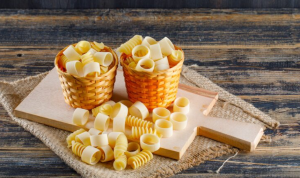
Comfort food continues to attract diners because it offers familiarity and emotional satisfaction. Burgers, pasta, sandwiches, soups, fried dishes, and traditional regional meals remain dependable choices. However, customers may now expect more than standard versions of these favorites. Restaurants are responding by improving ingredients, introducing distinctive sauces, and using more thoughtful presentation. A familiar sandwich might feature freshly baked bread, slow-cooked vegetables, or a house-made spread. A traditional pasta dish could use seasonal produce and a carefully developed sauce. These changes allow restaurants to create a sense of novelty while keeping the original appeal. The challenge is to avoid unnecessary complexity. Adding expensive ingredients does not automatically make a dish better. Every modification should improve flavor, texture, or overall value. Restaurants should test updated recipes with regular customers and compare their performance with established menu items. This helps determine whether a modern version deserves a permanent place on the menu.
Elevated Versions of Familiar Favorites
Premium comfort food gives restaurants an opportunity to distinguish ordinary dishes through quality and preparation. Better cuts of meat, artisan bread, specialty cheeses, fresh herbs, and house-made condiments can improve familiar meals. However, the value must be clear to customers. A higher price should reflect a noticeable improvement in ingredients, portion quality, or preparation. Restaurants should also maintain consistency. If a signature burger tastes different during every visit, customers may lose confidence even when its ingredients are premium. Standardized recipes, portion controls, and supplier checks can reduce this risk. A focused selection of elevated favorites is often more effective than upgrading every item. It helps kitchens manage costs and gives customers a few recognizable specialties worth returning for.
Nostalgia and Emotional Connections With Food
Food often connects people with familytraditions, childhood memories, and regional identity. Restaurants can use this emotional connection by revisiting traditional recipes or presenting familiar dishes in thoughtful ways. Seasonal desserts, regional specialties, and classic family-style meals can create a strong sense of familiarity. Storytelling can add value when it explains the inspiration behind a dish. However, the story should be genuine and relevant. Customers are more likely to appreciate a traditional recipe when the restaurant demonstrates care in its preparation. Businesses should also recognize that nostalgia varies across audiences. A dish associated with one generation or region may be unfamiliar to another. A balanced menu can include recognizable favorites alongside a small number of heritage-inspired specials.
Global Street Food and Regional Specialties Enter Mainstream Dining
Street food is influencing restaurant menus through bold flavors, convenient formats, and distinctive regional dishes. Tacos, filled flatbreads, dumplings, grilled skewers, savory pancakes, rice bowls, and spicy snacks have become familiar options in many dining environments. Their appeal comes from strong seasoning, flexible portions, and combinations of textures. Restaurants can introduce these influences through dedicated sections, lunch specials, or small plates. This approach allows customers to explore different cuisines without committing to a large meal. Yet global inspiration requires more than adding an international sauce to a familiar dish. Chefs should understand the ingredients and preparation methods associated with the food tradition they are using. Regional cuisines are diverse, and broad labels can overlook important differences. Restaurants should work with knowledgeable suppliers and culinary professionals when developing unfamiliar dishes. Ingredient availability is another consideration. A recipe that depends on difficult-to-source products may become expensive or inconsistent. Businesses should identify suitable alternatives without removing the qualities that make the dish distinctive. Careful adaptation can make global street food accessible while preserving its culinary character.
Smaller Plates, Shared Dining, and Social Food Experiences
Shared dining has become an appealing format for customers who want to explore several dishes during one visit. Small plates, tapas-style selections, tasting portions, and family-style meals encourage conversation and variety. They can also help restaurants introduce new flavors without requiring customers to order a full-sized entrée. A group might share vegetable dishes, grilled items, regional snacks, and desserts. This creates a more interactive experience and gives the menu greater flexibility. However, smaller portions require careful cost planning. Several low-priced dishes can create the same preparation demands as larger meals, particularly when each item uses different ingredients. Kitchens must also coordinate serving times so that shared dishes arrive at suitable intervals. Restaurants should create a clear sequence for preparation and service. Menu descriptions need to explain portion sizes and indicate which dishes are designed for sharing. Pricing should reflect preparation effort, ingredient costs, and expected demand. When planned properly, shared dining can increase variety while making the restaurant experience more social.
Beverage Pairings Become Part of the Food Experience
Drinks are becoming a more deliberate part of menu planning. Rather than treating beverages as an afterthought, restaurants are developing options that complement food and add variety to the dining experience. Specialty coffee, botanical refreshments, fruit-based drinks, sparkling beverages, and creative nonalcoholic alternatives can help a restaurant build a distinctive identity. Flavor pairing is important. A refreshing citrus drink may balance a rich meal, while a lightly spiced beverage can complement grilled or aromatic dishes. Restaurants can train staff to suggest suitable combinations without making the interaction feel like an aggressive sales pitch. Beverage menus also create opportunities to improve average spending, but pricing and preparation must remain practical. A complicated drink that requires many ingredients may slow service and increase waste. Businesses should prioritize a manageable selection that uses ingredients across several recipes.
Creative Nonalcoholic Drinks and Specialty Refreshments
Nonalcoholic beverages offer more variety than standard soft drinks and basic juices. Botanical infusions, fruit combinations, herbal teas, sparkling refreshments, and carefully prepared zero-proof drinks can appeal to different customer groups. Presentation also matters, but visual creativity should not replace flavor quality. Restaurants should test sweetness, acidity, temperature, and serving size before introducing new drinks. Ingredient overlap can make these offerings more efficient. For example, citrus, herbs, and seasonal fruit may work across several beverages and food preparations. Clear descriptions are useful for customers who want to avoid certain ingredients or prefer less sugar. A thoughtful nonalcoholic selection can make the menu more inclusive while giving customers additional reasons to visit.
Breakfast and All-Day Dining Continue to Expand
Changing work schedules and flexible routines have influenced when people choose to eat. Breakfast and brunch are no longer limited to traditional morning dishes. Many restaurants now offer savory breakfasts, protein-rich meals, sandwiches, grain bowls, and items that can work across several parts of the day. All-day dining can attract customers who prefer flexible meal times, including remote workers, travelers, and people with irregular schedules. However, extending service hours requires careful planning. Restaurants need to consider staffing, ingredient storage, equipment availability, and demand at different times. A broad menu may also increase preparation complexity. One practical solution is to identify dishes that can work across multiple meal periods. Eggs, vegetables, grains, breads, and selected proteins can support different combinations without requiring a completely separate kitchen setup. Restaurants should use sales data to determine which extended offerings deserve continued investment. The goal is to provide flexibility without carrying unnecessary inventory or increasing food waste.
Premium Ingredients and Value-Conscious Dining
Customers often want high-quality food while remaining sensitive to price. Rising ingredient and operating costs make this balance difficult for restaurant owners. Premium ingredients can improve the dining experience, but customers need to understand what makes a dish worth its price. Restaurants can communicate value through accurate descriptions of sourcing, preparation, portion size, and distinctive components. They can also offer several price levels. A menu might include affordable everyday meals, mid-range signature dishes, and a smaller selection of premium options. Smaller portions of expensive ingredients can make certain dishes more accessible without reducing quality. Set menus and meal combinations can also help customers manage spending. However, discounts should not become the main reason people visit. Businesses need to protect margins by reviewing ingredient costs, labor requirements, and waste. Menu engineering can identify dishes that sell well and generate healthy returns. It can also reveal popular items that require recipe or pricing adjustments. A strong value strategy makes quality visible while keeping the business financially sustainable.
Technology and Data Influence Restaurant Menu Decisions
Digital tools are changing how restaurants evaluate customer preferences and manage menus. Online ordering systems, point-of-sale reports, loyalty platforms, and customer reviews provide useful information about purchasing behavior. Managers can identify popular dishes, track seasonal changes, and recognize items that customers frequently remove from their orders. This information can guide menu improvements. Digital menus also make it easier to update prices, introduce temporary items, and provide detailed ingredient descriptions. Personalized recommendations may help customers discover dishes based on previous orders or stated preferences. However, technology should support rather than replace human judgment. Sales figures cannot always explain why a dish performs poorly. The issue might involve its description, price, serving time, or location on the menu. Customer conversations and staff observations provide additional context. Restaurants should also protect customer information and keep digital menu details accurate. A useful data strategy combines measurable performance with direct feedback and culinary expertise.
Limited-Time Menus and Seasonal Food Experiences
Seasonal dishes and limited-time offerings create opportunities to introduce new flavors without making permanent menu changes. Restaurants can use local produce, holiday themes, regional celebrations, and chef-created specials to keep their offerings fresh. These items can encourage repeat visits because customers know that certain dishes may only be available for a short period. Temporary menus are also useful for testing demand. A restaurant can introduce a new recipe, measure sales, gather comments, and decide whether it deserves a permanent position. This reduces the risk of committing to an unproven idea. However, limited-time menus still require proper planning. Ingredient supply, staff training, preparation procedures, and promotional timing must align. Restaurants should avoid advertising dishes before confirming that ingredients are available. Seasonal planning should also account for price fluctuations and supplier reliability. A smaller, carefully managed selection often produces better results than frequent large menu changes.
How Restaurants Can Turn Menu Trends Into Long-Term Success
A successful menu strategy begins with understanding the restaurant’s customers and business identity. A casual lunch restaurant may prioritize convenient meals and affordable combinations, while a premium dining venue may focus on distinctive ingredients and specialized preparation. Not every trend suits every business. Managers should assess new ideas according to customer demand, ingredient availability, kitchen capacity, and expected profitability. Small-scale testing is a practical starting point. A seasonal special or limited-time dish can reveal whether customers are interested before the restaurant makes a larger investment. Feedback should cover more than taste. Portion size, presentation, price, waiting time, and perceived value all influence satisfaction. Standardized recipes and staff training are essential when a new item becomes permanent. Managers should also review menu performance regularly. Dishes that create excessive waste, slow service, or deliver weak margins may need adjustments even if customers enjoy them. At the same time, removing a popular item too quickly can damage customer loyalty. The best decisions consider sales, profitability, operational performance, and the restaurant’s overall identity together.
Conclusion
Restaurant menus are shaped by a combination of changing lifestyles, culinary curiosity, customer expectations, and business realities. Contemporary comfort food, global street dishes, shared plates, creative beverages, flexible breakfast options, and seasonal specials all offer opportunities for restaurants to improve their appeal. Yet trends only create lasting value when they fit the business and deliver a consistently good experience. Restaurants should test new concepts, monitor costs, listen to customers, and maintain reliable preparation standards. They should also distinguish meaningful changes in dining habits from short-lived online attention. A thoughtful menu does not need to include every popular dish. It needs to offer the right choices for its audience while protecting quality, value, and operational efficiency. By combining creativity with careful planning, restaurants can build menus that attract new diners and encourage existing customers to return.