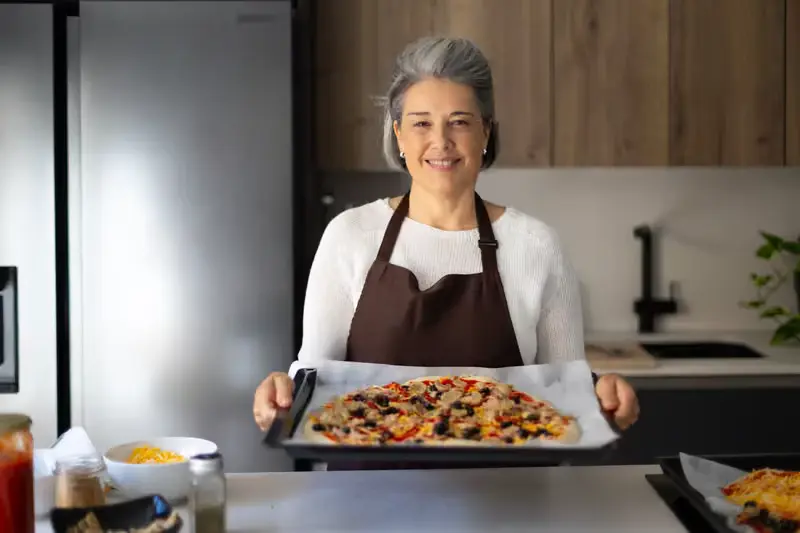
Preparing dinner after a busy day can feel like another demanding task. Work, family responsibilities, and daily commitments often leave little time for complicated cooking. However, a satisfying evening meal does not need an extensive ingredient list or hours in the kitchen. The right recipes easy dinner ideas can make weeknight cooking more manageable while keeping meals flavorful and nutritious. Simple pasta dishes, quick stir-fries, one-pot meals, and sheet pan dinners offer practical solutions for different schedules and preferences. The key is to choose recipes that match available time, ingredients, and cooking skills. With a little planning and a flexible approach, home cooks can prepare enjoyable dinners without unnecessary stress.
Build a Reliable Collection of Meals for Busy Evenings
A dependable collection of dinner recipes makes everyday cooking easier. Instead of deciding what to prepare from scratch each evening, keep several familiar options that use accessible ingredients. These might include vegetable pasta, chicken rice bowls, bean wraps, skillet meals, and homemade soups. Each recipe should be straightforward enough to prepare when time and energy are limited.
Start by considering how much active preparation a meal requires. A recipe that cooks for 30 minutes may still be convenient if it only needs five minutes of hands-on work. On the other hand, a dish with a short cooking time may become inconvenient if it requires extensive chopping or several separate preparations.
It also helps to choose meals that can be adapted. A basic rice bowl can include chicken one evening and beans the next. Pasta can be prepared with tomato sauce, roasted vegetables, or a simple garlic dressing. These changes create variety without requiring an entirely new shopping list.
Choose Ingredients That Work Across Multiple Recipes
Versatile ingredients are valuable in a busy kitchen. Eggs, rice, pasta, beans, potatoes, canned tomatoes, chicken, and seasonal vegetables can form the foundation of many dinners. Keeping these items available makes it easier to prepare a meal without visiting the grocery store every day.
Think about ingredients that can serve several purposes. Spinach can be added to pasta, omelets, soups, and rice dishes. Cooked chicken can become a wrap filling, salad topping, or quick skillet meal. Beans provide protein and texture in soups, tacos, and grain bowls.
This approach also helps reduce food waste. Before shopping, check which ingredients are already available. Plan meals that use the same vegetables or protein sources in different ways. However, avoid buying large quantities of fresh produce unless there is a realistic plan to use it before it spoils.
Balance Preparation Time With Cooking Time
Cooking time and preparation time are not the same. A dish may require only 15 minutes on the stove but take another 20 minutes to prepare. Understanding this difference helps prevent unrealistic dinner plans.
For faster preparation, wash vegetables in advance, measure common seasonings, and prepare simple sauces ahead of time. Frozen vegetables can also save time because they are usually cleaned and cut before packaging. Pre-cooked grains and canned beans are useful options when a recipe needs to come together quickly.
Choose meals according to the time actually available. A complicated recipe may be enjoyable on a weekend, but a simple skillet dinner is often more suitable after a demanding workday.
Sheet Pan Cooking for Less Mess and More Convenience
Sheet pan cooking is one of the most practical ways to prepare dinner with limited cleanup. It allows several ingredients to cook together on a single baking tray. Vegetables, chicken, fish, potatoes, and plant-based proteins can be seasoned and roasted with relatively little preparation.
A chicken and vegetable tray bake is a useful starting point. Combine chicken pieces with potatoes, carrots, onions, and suitable seasonings. Add a little oil and arrange everything on a baking sheet. Roast until the ingredients are cooked through and the vegetables develop a golden surface.
Another option is salmon with broccoli and sliced peppers. Chickpeas can replace animal protein in a vegetarian version. These combinations are flexible, so ingredients can change according to availability and preference.
However, good sheet pan cooking requires attention to texture and timing. Overcrowding the tray traps moisture and can prevent ingredients from browning. Leave enough space between pieces so hot air can circulate. If the tray is too full, use two baking sheets instead.
How to Arrange Ingredients for Even Cooking
Different ingredients need different amounts of time to cook. Potatoes and carrots usually require longer roasting than thinly sliced peppers or delicate greens. Cutting ingredients into suitable sizes helps them finish at approximately the same time.
Place longer-cooking vegetables on the tray first. Add quicker-cooking ingredients later when necessary. If using different proteins, check their cooking requirements separately rather than assuming everything will finish together.
Temperature control also matters. A moderately high oven temperature can encourage browning, but excessive heat may burn smaller ingredients before thicker pieces are ready. Turn vegetables when needed and check protein with an appropriate food thermometer. Chicken should reach a safe internal temperature of 74°C (165°F).
Quick Dinner Recipes That Deliver Variety
Quick meals do not have to feel repetitive. Different cooking methods and seasonings can turn familiar ingredients into several distinct dinners. Pasta, rice bowls, stir-fries, wraps, and skillet recipes are useful choices because they can be adapted without complicated techniques.
Pasta is especially versatile. Cook it according to the package instructions and combine it with tomato sauce, garlic, vegetables, and a protein source. A simple tomato and spinach pasta can be prepared with pantry ingredients. Adding beans or grilled chicken makes it more filling. For a lighter option, use a generous portion of vegetables and a moderate amount of sauce.
Stir-fries are another practical choice. Cook sliced vegetables with chicken, tofu, or shrimp in a hot pan. Add garlic, ginger, and a suitable sauce for flavor. Since the ingredients are cut into smaller pieces, they generally cook quickly. Keep the vegetables slightly crisp to improve texture.
Rice bowls provide another flexible option. Combine cooked rice with beans, eggs, roasted vegetables, or leftover protein. Add fresh herbs, yogurt dressing, or a citrus-based sauce to bring the ingredients together. Wraps and quesadillas can also turn leftover vegetables and protein into convenient meals.
One-Pot Meals for Simple Cleanup
One-pot meals reduce the number of dishes needed during preparation. Soups, rice dishes, pasta recipes, and skillet meals allow several ingredients to cook in one vessel. This can simplify both cooking and cleanup.
For example, a one-pot tomato pasta can combine dry pasta, chopped tomatoes, garlic, vegetables, seasoning, and an appropriate amount of liquid. As the pasta cooks, the ingredients create a flavorful sauce. Stir occasionally and adjust the liquid if necessary.
Lentil soup is another practical option. Cook onions, carrots, lentils, tomatoes, and spices together until the lentils become tender. The result is filling, affordable, and suitable for preparing in larger quantities.
The order of ingredients matters. Add firm vegetables and longer-cooking ingredients first. Delicate greens and quick-cooking proteins may need to be added near the end. This prevents some ingredients from becoming too soft while others remain undercooked.
Fifteen-Minute Meals for Especially Busy Nights
Some evenings leave very little time for cooking. On these occasions, meals based on ready-to-use ingredients can be particularly helpful. Canned beans, frozen vegetables, prewashed greens, cooked grains, eggs, and quick-cooking proteins reduce preparation requirements.
A vegetable omelet with toast can provide a simple dinner. A bean and rice bowl can be assembled with cooked rice, canned beans, chopped vegetables, and a quick dressing. Another option is a vegetable quesadilla with cheese and leftover chicken.
The important point is to plan realistic meals. A recipe described as taking 15 minutes may require additional time if ingredients are not prepared. Keep a few genuinely quick options available for unexpected busy evenings.
Make Dinner More Nutritious With Simple Ingredient Choices
Convenient dinners can still provide a balanced range of nutrients. A useful starting point is to combine a protein source, vegetables, and a filling carbohydrate. This structure can be adapted to different dietary preferences without requiring expensive specialty ingredients.
Protein options include eggs, chicken, fish, lentils, beans, tofu, and dairy products. Vegetables contribute fiber, vitamins, minerals, and color. Rice, potatoes, wholegrain bread, and pasta provide carbohydrates that help make meals satisfying. Healthy fats from olive oil, nuts, seeds, and suitable dressings can add flavor and support overall dietary balance.
Frozen vegetables are a useful alternative when fresh produce is expensive or difficult to store. Seasonal ingredients can also help control grocery costs. For vegetarian dinners, combine beans or lentils with grains to create filling meals.
Flavor does not depend entirely on heavy sauces or excess salt. Garlic, cumin, paprika, black pepper, herbs, lemon juice, and fresh ginger can make simple ingredients more interesting. Small adjustments to seasoning can transform a familiar recipe without increasing preparation time.
Organize Your Kitchen for Faster Weeknight Preparation
An organized kitchen makes everyday cooking more efficient. Keep frequently used ingredients in accessible places and group pantry items according to their purpose. Rice, pasta, canned beans, tomatoes, and common seasonings should be easy to locate. This reduces the time spent searching for ingredients while preparing dinner.
Weekly meal planning can also prevent last-minute decisions. Choose a few main meals and identify ingredients that can be shared between them. For example, a bag of spinach might be used in pasta, soup, and an omelet. A batch of cooked rice can support several different bowls or skillet meals.
Batch preparation is another useful strategy. Cook grains in advance, wash vegetables, prepare simple dressings, and portion ingredients for upcoming meals. These steps do not require preparing every dinner in full. Even limited preparation can reduce the workload on busy evenings.
Food storage must remain safe. Refrigerate perishable ingredients promptly and store prepared meals in covered containers. Keep the refrigerator at a suitable temperature and use refrigerated leftovers within a safe period. Reheat food thoroughly before serving. Good organization should make cooking easier without compromising food safety.
Avoid Common Mistakes That Make Easy Dinners More Difficult
Some cooking habits create unnecessary work. Choosing recipes with too many ingredients can make a simple dinner feel complicated. Before starting, read the full recipe and check whether the required ingredients and equipment are available.
Overcrowding a sheet pan is another common problem. Ingredients may release moisture and become soft instead of developing a roasted surface. Using a larger tray or dividing the food between two trays can improve the result.
Poor timing can also affect texture. Adding delicate vegetables too early may cause them to become overcooked. Similarly, cooking protein for too long can make it dry. Follow suitable cooking guidance and check food as it approaches completion.
Finally, avoid relying on exactly the same meals every week. Keep a few familiar recipes but change vegetables, seasonings, sauces, or protein sources. Small variations can make home cooking more enjoyable without increasing complexity.
Conclusion
Successful weeknight cooking depends on simplicity, preparation, and flexibility. Quick pasta dishes, one-pot meals, sheet pan dinners, and adaptable rice bowls can make everyday meals easier to manage. Versatile ingredients reduce shopping demands, while basic meal planning saves time and limits food waste. The best recipes easy dinner ideas are those that fit real schedules, household preferences, and available ingredients. With a reliable collection of meals and a few practical kitchen habits, preparing a satisfying dinner can become a manageable part of daily life.